A Beginner's Guide to Choosing Low-Light Plants for a North-Facing Home Office
A north-facing room has a reputation problem. People assume it means gloom, and gloom means plastic plants. In practice, a north-facing home office often gets soft, indirect light for most of the day, with none of the scorching midday sun that frazzles leaves on a south-facing sill. That suits a good number of houseplants very well. The catch is pace: plants grow more slowly in low light, so they drink less, and mistakes take longer to show. Choose the right plants and adjust your watering, and your desk can stay green all year.
Read Your Light Before You Buy Anything
Two north-facing windows can be completely different. A first-floor window with a pale wall opposite and nothing blocking it gives brighter light than a basement window under a tree, or a desk set three metres back from the glass. Before you spend anything, spend two minutes checking.
Do the shadow test. At midday, hold your hand about 30 centimetres above the spot where the plant will sit. A crisp, defined shadow means decent indirect light and a wide choice of plants. A soft, blurry shadow means genuinely low light. Barely any shadow at all means you are in the survival zone, where a plant will hold its shape for months but never really grow.
Distance matters more than people expect. Light drops off quickly as you move away from a window, so a spot half a metre from the glass is far brighter than the same spot two metres back. Pale walls and ceilings bounce light around and help. Heavy net curtains, blinds left half-closed and anything stacked in front of the window all take their share.
Eight Houseplants That Cope With Low Light
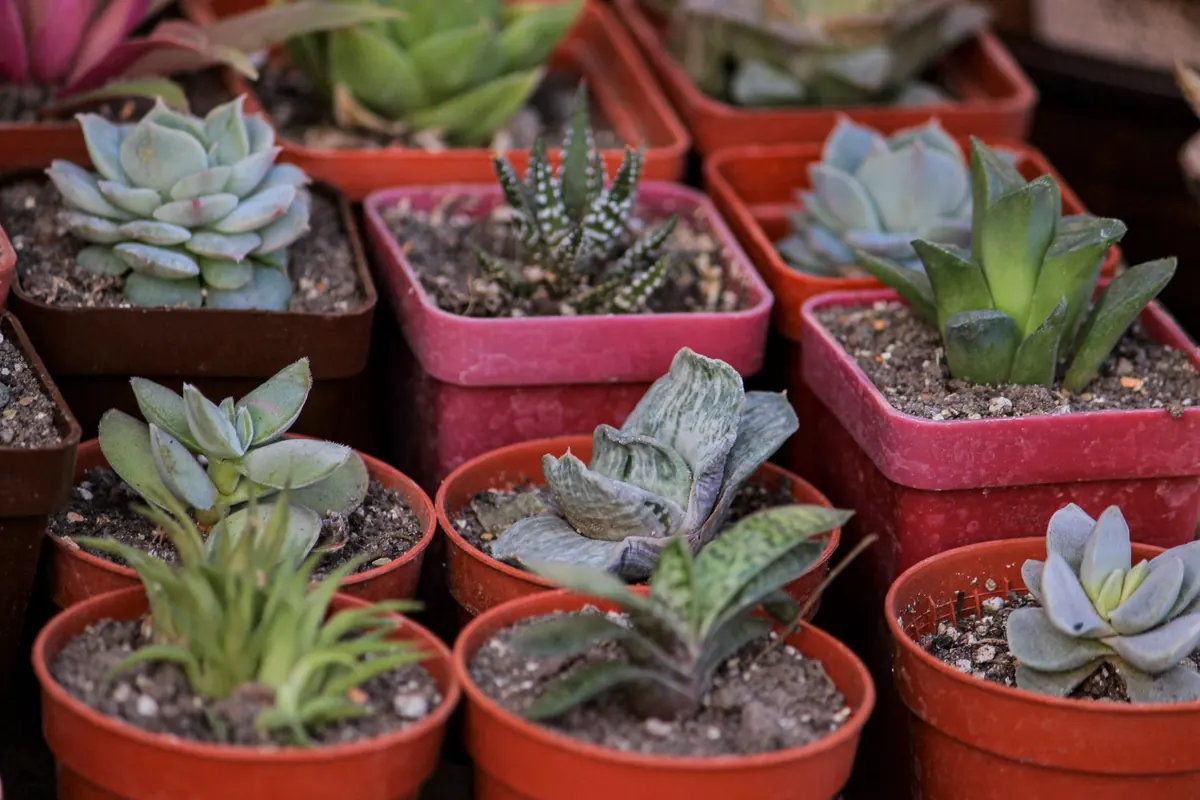
These are the reliable ones, widely available in UK garden centres and supermarkets. None of them will sulk in a north-facing office, provided you keep the watering sensible.
- Snake plant (Sansevieria) – upright, architectural, and close to unkillable. Let the compost dry out completely between waterings; in winter that can mean once a month or less.
- ZZ plant (Zamioculcas zamiifolia) – glossy dark leaves on thick stems. It stores water in its roots, so overwatering is the only real danger.
- Golden pothos (devil's ivy) – trailing, forgiving, and easy to propagate from a cutting in water. Good on a shelf where the vines can hang.
- Heartleaf philodendron – similar habit, softer leaves, slightly finer texture. Pinch out the tips to keep it bushy rather than straggly.
- Spider plant – happy in a hanging pot near the window. It produces plantlets you can pot up and give away.
- Peace lily – tells you plainly when it is thirsty by drooping, then perks up within hours of a drink. It flowers less in deep shade, so enjoy it for the foliage.
- Cast iron plant (Aspidistra) – the Victorian shade plant, and still the best answer for a dark corner.
- Chinese evergreen (Aglaonema) – patterned leaves that brighten a desk. It likes warmth, so keep it away from cold draughts and single-glazed windows in January.
Low Light Is Not the Same as No Light
No houseplant will live indefinitely in a windowless room, or in a corner where you have to switch a lamp on at noon. If you are set on greening a genuinely dark office, add light rather than hoping. A simple desk lamp with an LED bulb, positioned 30 to 45 centimetres above the plant and left on for ten to twelve hours a day, is enough to keep most of the plants above ticking over. A plug-in timer saves you remembering.
Watch for the signs of too little light: pale, small new leaves, long spindly stems stretching towards the window, and lower leaves yellowing and dropping. If the compost is still damp a fortnight after watering, that is another clue.
Watering Is Where Most Low-Light Plants Die
Less light means slower growth, which means the plant uses less water. A plant that needs a drink every week in June may only need one every three weeks in January. Watering on a fixed schedule is the single most common way to kill a houseplant in a north-facing room, because the compost stays wet and the roots rot.
Check before you water, every time. Push a finger two to three centimetres into the compost, or lift the pot and judge the weight. Dry at depth and light in the hand means water. Damp means wait. Always use a pot with drainage holes, water until it runs through, then empty the saucer after ten minutes so the plant is not sitting in water.
Learn the two failure modes. Overwatered plants show yellowing lower leaves, soft or mushy stems, mould on the compost surface, a sour smell and little flies. Underwatered plants have crisp brown tips, curling leaves and compost that has shrunk away from the sides of the pot. Most tap water is fine; if you notice brown leaf tips on a spider plant or peace lily, leaving water to stand overnight before using it can help.
Setting Up the Desk So Plants Actually Thrive
Placement
Group plants together near the window rather than scattering them around the room. A cluster creates its own slightly humid microclimate, and it is easier to keep an eye on watering. Rotate each pot a quarter turn every couple of weeks so growth stays even instead of leaning permanently towards the glass.
Heat and draughts
Radiators, air conditioning and open windows in winter dry leaves out and stress plants. A little distance from a radiator is worth more than a prime windowsill spot. Tropical plants such as Chinese evergreen and peace lily appreciate humidity, which you can raise by standing pots on a tray of pebbles with water below the pot base, or by grouping them.
Clean leaves
Dust blocks light, and in a low-light room you cannot afford to lose any. Wipe broad leaves with a damp cloth every few weeks. It takes a minute and makes a noticeable difference.
A Simple Routine Through the Year
- Weekly: check compost before watering, and turn pots a quarter turn.
- Monthly: wipe leaves, remove dead or yellowing foliage, and check saucers.
- Spring: refresh the top layer of compost or repot if roots are circling the base.
- Summer: water a little more often as growth speeds up, and feed lightly if you want new leaves.
- Autumn and winter: cut watering right back and stop feeding. Most plants are resting, not starving.
Start With Two Plants and Learn From Them
Pick a snake plant and a pothos, put them where you have checked the light, and water only when the compost tells you to. Give it three months before you add anything else. That is long enough to see how your particular room behaves, how quickly pots dry out, and where the light actually falls. Once you know that, choosing the next plant is straightforward, and a north-facing office turns out to be one of the easiest places in the house to keep greenery alive.
Photo: martieda / Pixabay

How to Organise Cables and Chargers Without Hiding Your Desk Decor
Cable management that keeps chargers tidy without emptying your desk: simple routes, clips, trays and...
Spring Refresh: 10 Floral Desk Decor Ideas Using British Blooms
Ten seasonal arrangements for a spring desk using British-grown blooms, plus practical advice on choosing,...
About Us